
What to Know Before Scheduling a Deposition:Court Reporters, Exhibits, & Technology
July 28, 2026
Court Reporting
What to Know Before Scheduling a Deposition
Legal teams can avoid scheduling issues, transcript delays, and problems with the official record by preparing for the deposition ahead of time.
A deposition involves more than setting a date and sending a notice. Attorneys, paralegals, corporate legal teams, and insurance professionals must confirm the right services, format, technology, and delivery expectations before the proceeding begins.
One of the first steps is to secure reliable court reporting services. The court reporter is essential in creating the official record, supporting realtime needs, managing transcript requirements, and helping the proceeding stay organized from start to finish.
For in-person depositions, confirm the location, room setup, parking, building access, and any security requirements. For virtual or hybrid proceedings, confirm the platform, attendee access, screen-sharing needs, and backup plans in case of technical problems.
If the matter requires a remote deposition, address those details early. Remote proceedings can be efficient, but they still require careful planning. Legal teams should confirm who will appear remotely, who will attend in person, and how exhibits will be shared.
A clear understanding of the deposition process helps reduce confusion. It also allows the reporting team to prepare for the specific needs of the matter, including realtime access, rough drafts, expedited transcripts, or complex exhibit handling.
Before the deposition date, confirm:
Legal teams should request realtime access before the deposition. Not every proceeding requires it, but waiting until the day of the deposition may limit availability. If multiple attorneys need realtime feeds, that should also be confirmed in advance.
For litigation teams managing high-volume matters, realtime access can help attorneys review testimony quickly and stay aligned during questioning.
If the deposition requires legal video services, legal teams should request them when scheduling. This allows the provider to coordinate the videographer, recording setup, remote platform requirements, and file delivery expectations.
Before the proceeding, confirm whether the video will be used for trial, settlement evaluation, internal review, or witness preservation. That information can affect formatting and delivery needs.
Before the deposition, confirm:
If expedited delivery is needed, request that in advance. The same applies to rough drafts, condensed transcripts, ASCII files, keyword indexing, or synchronized video transcript needs.
Lexitas makes transcript delivery easier by giving legal teams a clear path to order and access deposition transcripts. Planning these details early helps attorneys meet motion deadlines, prepare for mediation, or review testimony before the next deposition.
For remote or hybrid proceedings, confirm email addresses, platform links, login instructions, and whether any participant needs a test session. For in-person proceedings, confirm room size, seating, Wi-Fi access, and whether private breakout space is needed.
This resource on what to expect from a court reporting firm can help legal teams evaluate whether their provider is prepared to support the full deposition workflow.
The right partner should help coordinate:
Early planning protects the record and helps the deposition proceed more efficiently. For law firms, corporate legal departments, and insurance teams, working with an experienced deposition support partner can reduce administrative burden and improve confidence before the proceeding begins.
Schedule your next deposition with Lexitas to access trusted court reporting, remote deposition support, realtime reporting, legal video, electronic exhibit services, and secure transcript delivery.
A deposition involves more than setting a date and sending a notice. Attorneys, paralegals, corporate legal teams, and insurance professionals must confirm the right services, format, technology, and delivery expectations before the proceeding begins.
One of the first steps is to secure reliable court reporting services. The court reporter is essential in creating the official record, supporting realtime needs, managing transcript requirements, and helping the proceeding stay organized from start to finish.
Confirm the Deposition Format Early
Before scheduling a deposition, legal teams should decide whether the proceeding will be in person, remote, or hybrid. This choice affects nearly every other detail, including the court reporter, attendees, exhibits, video needs, and technology setup.For in-person depositions, confirm the location, room setup, parking, building access, and any security requirements. For virtual or hybrid proceedings, confirm the platform, attendee access, screen-sharing needs, and backup plans in case of technical problems.
If the matter requires a remote deposition, address those details early. Remote proceedings can be efficient, but they still require careful planning. Legal teams should confirm who will appear remotely, who will attend in person, and how exhibits will be shared.
Understand the Deposition Process
Another key part of what to know before a deposition is how the proceeding will be managed. Legal teams should confirm the order of questioning, expected length, witness availability, and whether any special instructions apply.A clear understanding of the deposition process helps reduce confusion. It also allows the reporting team to prepare for the specific needs of the matter, including realtime access, rough drafts, expedited transcripts, or complex exhibit handling.
Before the deposition date, confirm:
- Date, time, and time zone
- Witness name and contact information
- Attorney appearances
- Case caption and matter number
- Location or remote access details
- Expected duration
- Transcript turnaround needs
- Special technology requests
Decide Whether Realtime Reporting Is Needed
Realtime court reporting can be valuable in complex litigation, technical testimony, expert depositions, and matters with multiple remote participants. It allows attorneys to view testimony as it is being transcribed, which can help with follow-up questions and issue spotting.Legal teams should request realtime access before the deposition. Not every proceeding requires it, but waiting until the day of the deposition may limit availability. If multiple attorneys need realtime feeds, that should also be confirmed in advance.
For litigation teams managing high-volume matters, realtime access can help attorneys review testimony quickly and stay aligned during questioning.
Determine Whether Legal Video Is Required
Video can be important when witness demeanor, tone, or visual presentation may matter later. It can also be useful for expert testimony, trial preservation, impeachment, or remote witness presentation.If the deposition requires legal video services, legal teams should request them when scheduling. This allows the provider to coordinate the videographer, recording setup, remote platform requirements, and file delivery expectations.
Before the proceeding, confirm whether the video will be used for trial, settlement evaluation, internal review, or witness preservation. That information can affect formatting and delivery needs.
Plan for Exhibits Before the Deposition
Exhibit handling should never be an afterthought. Legal teams should decide whether exhibits will be in paper or electronic form, or a combination of both. In remote or hybrid proceedings, electronic exhibit management is especially important.Before the deposition, confirm:
- Who will introduce exhibits
- Whether exhibits will be pre-marked
- How exhibits will be shared with the witness
- Whether opposing counsel will receive exhibits in advance
- How confidential materials will be handled
- Whether the court reporter needs exhibit copies before or after the proceeding
Discuss Transcript Delivery and Turnaround
The transcript is often the most important deliverable after the deposition. Legal teams should confirm transcript needs before the proceeding, not after.If expedited delivery is needed, request that in advance. The same applies to rough drafts, condensed transcripts, ASCII files, keyword indexing, or synchronized video transcript needs.
Lexitas makes transcript delivery easier by giving legal teams a clear path to order and access deposition transcripts. Planning these details early helps attorneys meet motion deadlines, prepare for mediation, or review testimony before the next deposition.
Confirm Attendees and Access Needs
Understanding what you need before a deposition also means knowing who will attend and what each person needs to participate effectively. Attorneys, witnesses, experts, claims representatives, interpreters, videographers, and corporate representatives may all have different access needs.For remote or hybrid proceedings, confirm email addresses, platform links, login instructions, and whether any participant needs a test session. For in-person proceedings, confirm room size, seating, Wi-Fi access, and whether private breakout space is needed.
Know What to Expect from the Court Reporting Firm
A strong court reporting partner does more than send a reporter. Legal teams should expect scheduling support, accurate transcripts, technology coordination, secure access, realtime options, and responsive communication.This resource on what to expect from a court reporting firm can help legal teams evaluate whether their provider is prepared to support the full deposition workflow.
The right partner should help coordinate:
- Court reporter availability
- Remote or in-person logistics
- Realtime reporting
- Legal video
- Exhibit handling
- Transcript ordering
- Secure delivery and access
Final Thoughts
Understanding what you should know before a deposition helps legal teams plan with fewer surprises. The most important decisions include the deposition format, court reporter needs, realtime access, legal video, exhibit handling, transcript delivery, and attendee logistics.Early planning protects the record and helps the deposition proceed more efficiently. For law firms, corporate legal departments, and insurance teams, working with an experienced deposition support partner can reduce administrative burden and improve confidence before the proceeding begins.
Schedule your next deposition with Lexitas to access trusted court reporting, remote deposition support, realtime reporting, legal video, electronic exhibit services, and secure transcript delivery.
Related Resources

Articles
Court Reporting
What Does a Court Reporter Do?
Learn what a court reporter does during a deposition, from testimony capture and real-time reporting to transcript delivery and recordkeeping.
Read More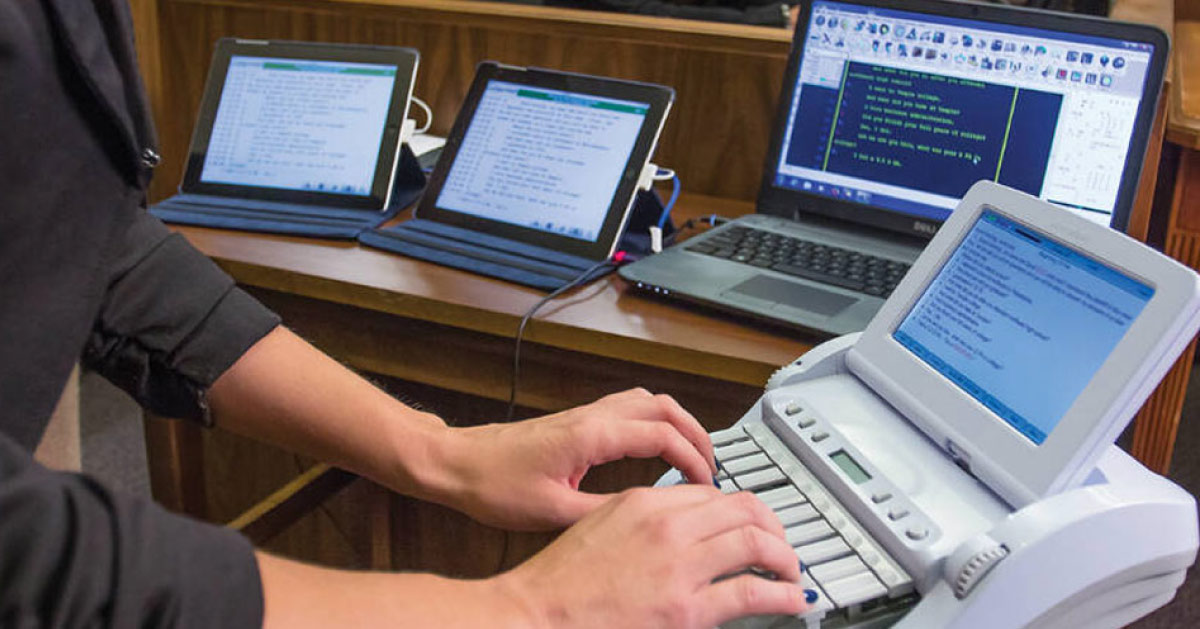
Articles
Court Reporting
When to Request Realtime Court Reporting
Learn when legal teams should request realtime court reporting for depositions, including expert testimony, remote proceedings, and multi-party litigation.
Read More