
Resource Center
Articles
Technology
Legal Automation Explained: How AI Is Transforming Practice in 2026
Legal automation in 2026 is practical and present. 2026 is a turning point because legal AI adoption crossed from “interesting” to “operational,” and client expectations are now explicit.
Read More
Articles
Court Reporting
The Deposition Transcript Isn’t What It Used to Be
Discover how deposition transcripts are evolving with AI and legal court reporting services. Learn how modern legal teams turn testimony into actionable insight faster.
Read More
Articles
Record Retrieval
Are Medical Records Legal Documents and Admissible in Court?
Learn what makes medical records admissible in court and how Lexitas delivers HIPAA-compliant medical record retrieval for litigation success.
Read MoreNarrow Your Results

Articles
Court Reporting
How AI Is Changing Trial Preparation and Presentation Technology
Explore how AI supports trial preparation and trial presentation technology, from testimony and medical record review to courtroom execution.
Read More
Articles
Process Service
How to Serve a Subpoena: What Legal Teams Need to Know
Learn what legal teams should confirm before serving a subpoena, including recipients, deadlines, witness fees, service instructions, and proof of service.
Read More
Articles
Remote Proceedings
Remote Deposition Best Practices: What Legal Teams Have Learned
Explore remote deposition best practices for technology, witness preparation, exhibits, hybrid proceedings, and compliance that help legal teams prepare.
Read More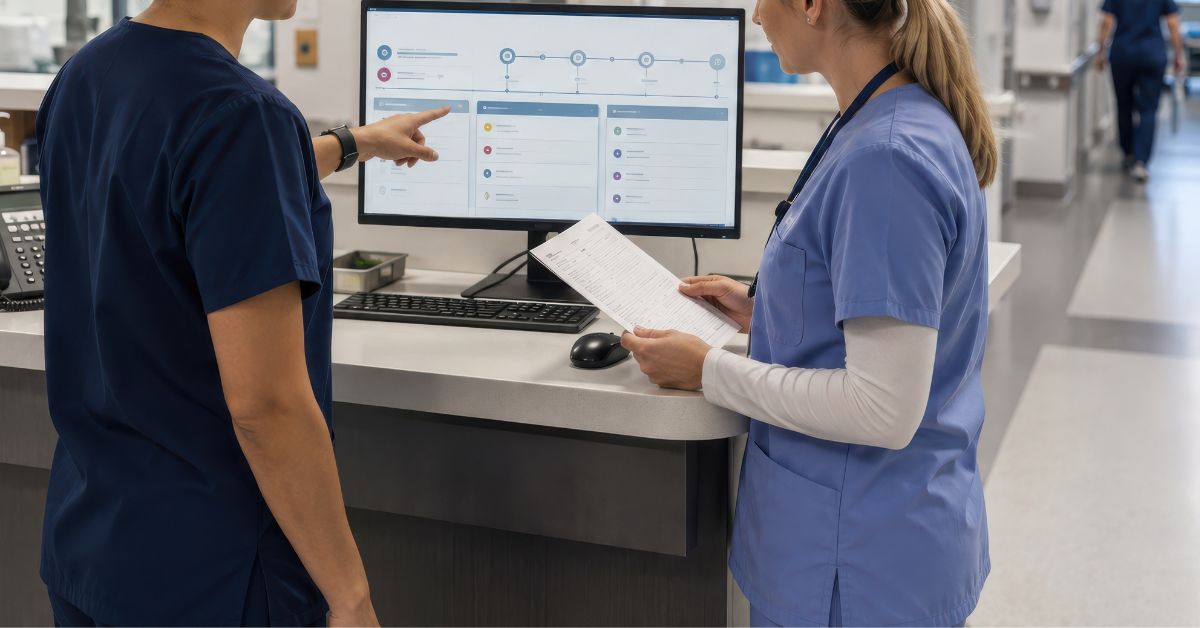
Articles
Record Retrieval
Why Medical Record Requests Get Delayed: 7 Common Bottlenecks That Slow Litigation
Medical record delays can disrupt case evaluation, discovery, expert review, and settlement preparation. Learn seven common retrieval bottlenecks and how legal teams can reduce record collection delays.
Read More
Articles
Process Service
What Makes Skip Tracing Successful? Information That Helps Locate Difficult-to-Find Individuals
Successful skip tracing depends on more than databases. Learn how address histories, public records, business filings, and other information help investigators locate difficult-to-find individuals.
Read More