
Medical Record Admissibility: Hidden Risks in Record Retrieval
February 11, 2026
Record Retrieval
Medical Record Admissibility Hidden Risks
Key Takeaways
|
In litigation, medical records are foundational evidence. Yet too often, firms focus on how fast records are delivered instead of how defensible those records are once challenged. As courts increase scrutiny of the provenance of records, law firms face growing risks when medical records are obtained through shortcuts that sacrifice compliance for speed.
At Lexitas, we believe admissibility begins long before a record is produced. It starts at the point of retrieval.
The Hidden Risk in Modern Medical Record Retrieval
The record retrieval industry has changed rapidly, with some providers prioritizing automation, scale, and speed over legal rigor. While this may appear efficient on the surface, these practices can expose law firms to significant downstream risk when records are introduced into evidence.Courts are increasingly focused on:
- Whether records were obtained using litigation-appropriate authorizations
- Whether the chain of custody is verifiable
- Whether records have been properly authenticated
- Whether the production represents the complete legal medical record, not just an electronic extract
Misuse of the Patient Right of Access
One of the most concerning trends in record retrieval is the misuse of the Patient Right of Access (PROA) under HIPAA.HIPAA grants patients the right to access their own medical records for personal use and continued treatment. It does not grant third parties a shortcut to obtain records for litigation. Federal courts have reinforced this distinction, including in Ciox Health, LLC v. Azar, which clarified that PROA cannot be used to circumvent established litigation record-retrieval requirements.
Despite this precedent, some vendors rely on patient authorizations intended solely for personal access to scrape records directly from electronic portals. In certain circumstances, these providers are not fully verifying the authorization and release details included on the same, resulting in records that often lack custodial affidavits, proper authentication, and clear documentation of how, and from whom, the records were obtained.
The legal risk is substantial. Multi-million-dollar verdicts can be lost if medical records are excluded due to improper authorization and authentication. When records are deemed inadmissible, the damage often is irreversible.
Incomplete Records are a Silent Liability
Another critical issue is the completeness of those records. Electronic medical records (EMRs) accessed through portals frequently exclude key components of the legal medical record, including:- Diagnostic imaging and associated metadata
- Pathology slides and reports
- Amendments, addenda, and audit trails
- Records from ancillary providers
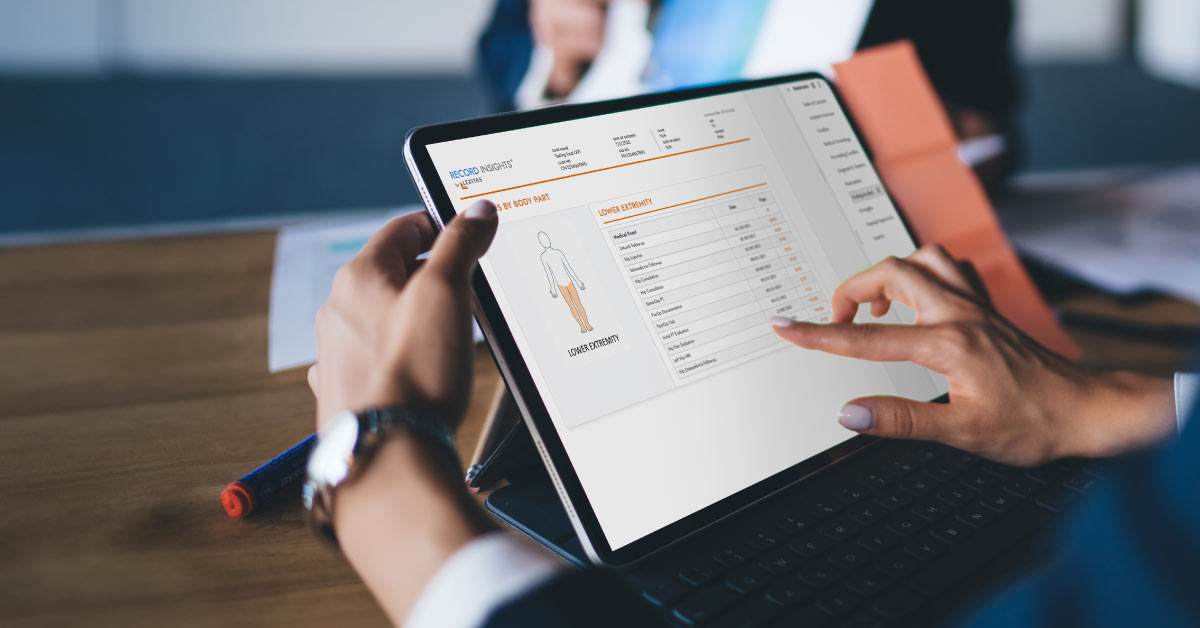
Why Lexitas Takes a Different ApproachLexitas’ record retrieval process is built specifically for litigation. We obtain records using litigation-appropriate authorizations, maintain a documented chain of custody, and ensure records can be authenticated and defended in court.This approach also informs our broader investments, including litigation-focused innovations such as Record Insights®, our AI-enabled medical records chronologies, which was developed based on direct client feedback to ensure records are not only compliant but actionable and reliable throughout the life of a case. |
 |
Questions Every Firm Should Be Asking
To protect their cases, firms should ask record retrieval providers:- Are records obtained through methods appropriate for litigation, not through personal access?
- Can affidavits and custodial testimony be provided if records are challenged?
- Are the records complete legal medical records, or partial EMR extracts?
- How is chain of custody documented and preserved?
The Bottom Line
Medical records are not a commodity. Treating them as such by prioritizing speed over compliance can quietly undermine even the strongest of cases. At Lexitas, we believe record retrieval should strengthen the litigation process, not complicate it. Reliable medical records keep cases moving forward and help attorneys litigate with confidence.
Related Resources
Articles
Record Retrieval
HIPAA-Compliant Safeguards for Your Record Retrieval Partners
HIPAA-compliance is a complex detail that law firms cannot afford to overlook, especially when working with third parties who handle medical records.
Read More
Articles
Record Retrieval
Are Medical Records Legal Documents and Admissible in Court?
Learn what makes medical records admissible in court and how Lexitas delivers HIPAA-compliant medical record retrieval for litigation success.
Read More
Articles
Record Retrieval
Subpoena for Medical Records
Learn when and how to use subpoenas to retrieve medical records, avoid delays, and ensure HIPAA compliance throughout the litigation process.
Read More